Wednesday, October 27, 2021

The Role and Types of Health Screening

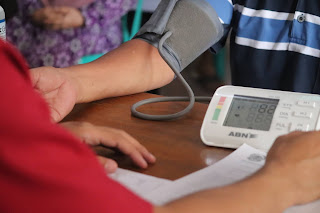
Health screenings are medical tests performed to check for health conditions and diseases before they show any symptoms. The goal of screening is early disease detection and surveillance to reduce the risk of illness. When a disease is detected early, treatment is easier and more effective. Health screening tests are not part of diagnostic testing. Instead, they are used to identify a population subset that should receive additional testing to confirm or rule out the presence of disease.

If you get a negative result (normal) after a screening test, it means your level of risk of contracting the condition or illness you were screened for is low. This, however, does not mean that you will or can never develop that particular condition in the future, only that you are currently at low risk. Getting a positive result (higher-risk result) means you could have the condition you were being tested for. A positive result means you will be subjected to further tests (diagnostic tests) to confirm (or rule out) the condition. If approved, you will be offered advice, treatment, and support.

Diagnostic tests are to find out what could be the cause of specific symptoms. On the other hand, screening is done in populations who are not ill and with no signs. Screenings are essential as they help find health problems early on, and getting the recommended screenings is a good health strategy for long-term wellbeing. Several critical tests should be routinely performed to rule out disease.

All adults, according to the American Diabetes Association, should be screened for prediabetes or diabetes starting at the age of 45 years. And it does not matter how much the individual weighs. It is particularly critical to be screened if you are obese or overweight or predisposed to one or more other diabetes risk factors.

The Pap test or pap smear is a necessary test for sexually active women below age 65. Pap smears are cell samples taken from the woman’s cervix and can find cancer at its very early stage, often when it has no symptoms. However, if the results are abnormal (positive), that doesn’t necessarily mean cervical cancer is present. Therefore, further diagnostic tests become necessary.

A cholesterol screening test is performed at the clinic through a blood test. Individuals with high cholesterol measurements are at a higher risk of getting the cardiovascular disease than people with normal cholesterol measurements.

The fecal occult screening checks for the presence of blood in the stool. The test entails observing the stool samples under the microscope. Blood in the stool could be an indication of cancerous growth, a potential sign of colorectal cancer.

When to get screened and how often may depend on several factors such as your risk factors, age, gender, and health status. In some cases, the testing is part of the routine medical checkup, but the doctor may recommend specific screening tests. Talk with your health provider if you are considering a screening test. That is an opportunity to learn more about the condition, the procedure to be followed, and how the screening might help you. You also get to know what additional diagnostic testing and follow-up may be required if you get positive results.

Friday, August 6, 2021

Minor Surgery versus Major Surgery

A graduate in medicine from the University of Leicester in the United Kingdom, Dr. Chua Tee Lian is a family physician with more than 30 years of experience. Having previously worked with Frankel Clinic and Liang Clinic, Dr. Chua Tee Lian currently serves as clinic manager and director of the C and K Family Clinic. In addition, he provides services such as minor surgical procedures.

Surgical procedures are used to remove diseased tissue from a person’s body or repair damaged tissues that could affect a person’s overall health. They fall into two main categories, minor and major.

Minor surgery is a minimally invasive operation that modifies connective tissues, skin, or mucus membranes. In most cases, surgeons make small incisions that allow surgical tools and cameras to be inserted into the body; they may use local anesthesia to reduce discomfort but do not need to render the patient unconscious. Examples of minor surgeries include mole removal, laparoscopies, breast biopsies, and cataract surgeries. These cause relatively little damage to the tissues; as such, infection risks are low, and the recovery time is short.

On the other hand, major surgery involves opening the body through a large incision, giving the surgeon access to an organ or region in which the procedure is to be performed. Examples of major surgeries include organ replacement, complete hysterectomies, heart surgeries, and caesarian sections. Since the aim of a major surgery is to make substantial anatomical alterations to the patient’s body, the process is much more invasive and time consuming, often requiring hours of work and significant damage to surrounding tissue. Such procedures cause significant bodily trauma so the surgical wounds need time to heal and follow-up treatment to prevent infections.

Thursday, June 17, 2021

Understanding Stages of Weight Loss


Formerly associated with the Frankel Clinic and the Liang Clinic, Dr. Chua Tee Lian is a Singapore physician who cares for patients with acute and chronic conditions. Leading C & K Family Clinic, Dr. Chua Tee Lian emphasizes a preventative, whole-person approach to staying healthy and avoiding illness. This may include incorporating fitness and nutrition plans in achieving weight loss goals.

Weight loss proceeds in stages, with the first stage spanning between four to six weeks, as stores of water, carbohydrates, and protein are shed. While some body fat may be lost during this period, it is retained for the most part.

Beyond the six-week mark, weight loss will shift to body fat and proceed at a significantly more gradual rate. Plateaus occur intermittently, during which time little, if any, weight loss is recorded. Some may struggle to overcome these plateaus, which can result from following an overly restrictive diet that ultimately causes one to deviate and move back to past eating habits. One way of overcoming this hurdle is to focus on selecting non-processed, low-fat foods that are also filling and delicious.

A sustainable weight-loss plan is one that does not simply rely on diet but also involves regular exercise. It’s even better to choose exercise activities that you already enjoy, from swimming to playing basketball. At the same time, pay attention to the quality of sleep and maintaining regulated habits that encourage your metabolism to function optimally in supporting your diet and exercise routine. 

Friday, May 28, 2021

L Mngmt as a Way of Chronic Illness


Working at C & K Family Clinic since 2000, Dr. Chua Tee Lian is a longtime Singapore family practice physician who has served patients at the Frankel Clinic and the Liang Clinic. Responsible for treating a wide range of conditions, Dr. Chua Tee Lian also provides lifestyle management consulting focused on acute and chronic illnesses.

When it comes to preventing and managing chronic conditions, a major obstacle is the perceived enormity of making changes in jam-packed schedules. Significant lifestyle modifications are simple to integrate within existing routines, as long as they are precisely calibrated and consistently followed.

Physical activity is one major element of this, with moderate-intensity activity totaling 150 minutes each week (75 minutes of vigorous-intensity activity) recommended. At the moderate level, this only requires a 20-minute brisk walk or jog each day. You can also incorporate exercise within the working day. This might involve taking the stairs instead of the escalator from a subway station or using the stairs instead of an elevator at the office.

Diet is another aspect of preventative health within the individual’s control. Common sense dictates that one should switch out processed foods, sugars, and empty calories for fruits, vegetables, grains, and legumes. Another worthwhile aim is stopping eating when one is full and growing attuned to what the body is telling you. Beyond this, curtailing smoking and alcohol consumption can have strong positive effects on cardiovascular health.

How Often to Pursue Health Screening

A University of Leicester graduate in medicine, Chua Tee Lian works as a director and family physician at C&K Family Clinic in Singapor...